about KERN
one person. 50 papers. five plugins.
KERN is a solo developer and a growing community building audio tools in copenhagen, denmark. every algorithm starts with research. every plugin solves one problem. this is the story of how it started.
the story
the early years

i used to be a touring artist. playing shows, writing music, living inside the cycle of create-perform-repeat that every musician knows. it was everything i wanted.
the discovery
somewhere along the way, i discovered Cycling '74 and Max for Live. the idea that you could build your own instruments, not just play them, changed how i thought about music entirely. i started patching instead of practicing. building tools instead of just using them. the line between making music and making the things that make music got beautifully blurred.
the shift

then i got sick. a life-threatening illness that took touring off the table. the stages went away. the travel stopped. the identity i'd built around performing had to be rebuilt from scratch.
music didn't stop. it just changed shape. what had been a career became a hobby again. and honestly, i love it more now than when it was a job. there's something liberating about making music because you want to, not because you have to fill a setlist or meet a release schedule.
the itch
but that itch, the Max for Live itch, the "i want to build my own tools" itch, never went away. it grew. from Max patches to C++. from simple effects to spectral processing. from prototypes to something i believed could actually ship. it took three years of reading, prototyping, and learning before anything felt ready to show anyone.
the long build
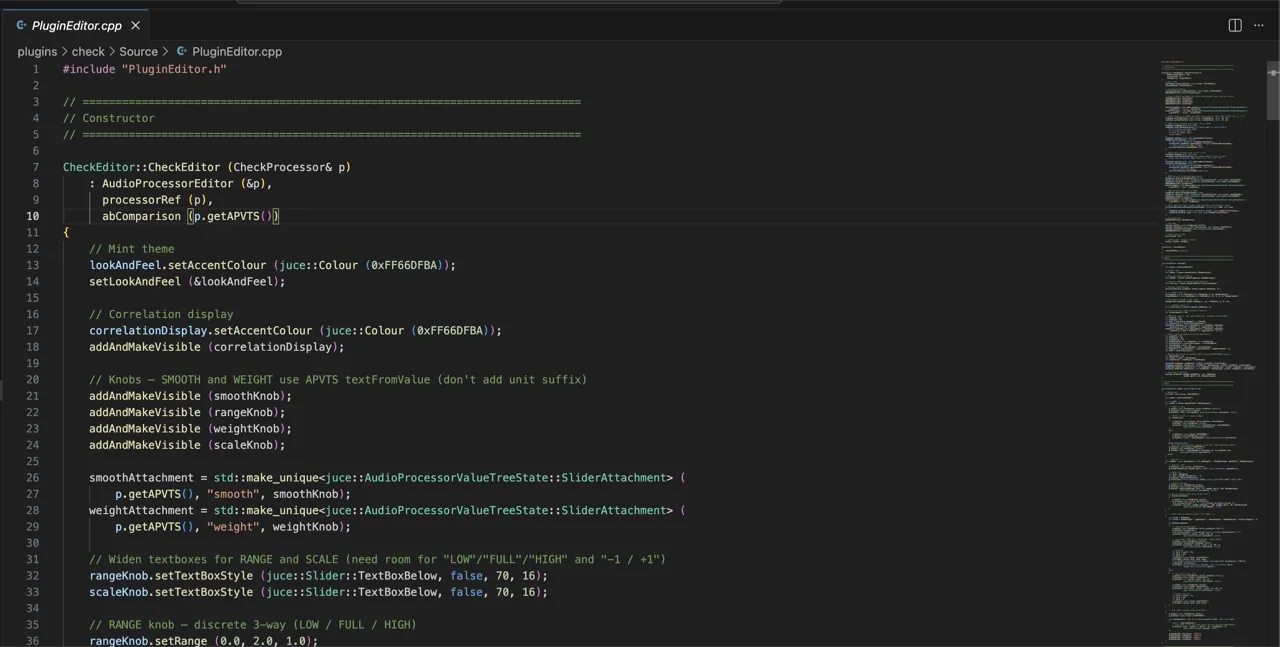
KERN came from a specific frustration. i needed a resonance suppressor. the good ones cost $199 and required iLok. the cheap ones were cheap for a reason. i wanted something in between: genuinely good DSP, no DRM nonsense, $29, done. so i started reading papers. ERB filterbanks. spectral reassignment. zero-delay feedback smoothing. weeks of research before writing a single line of code.
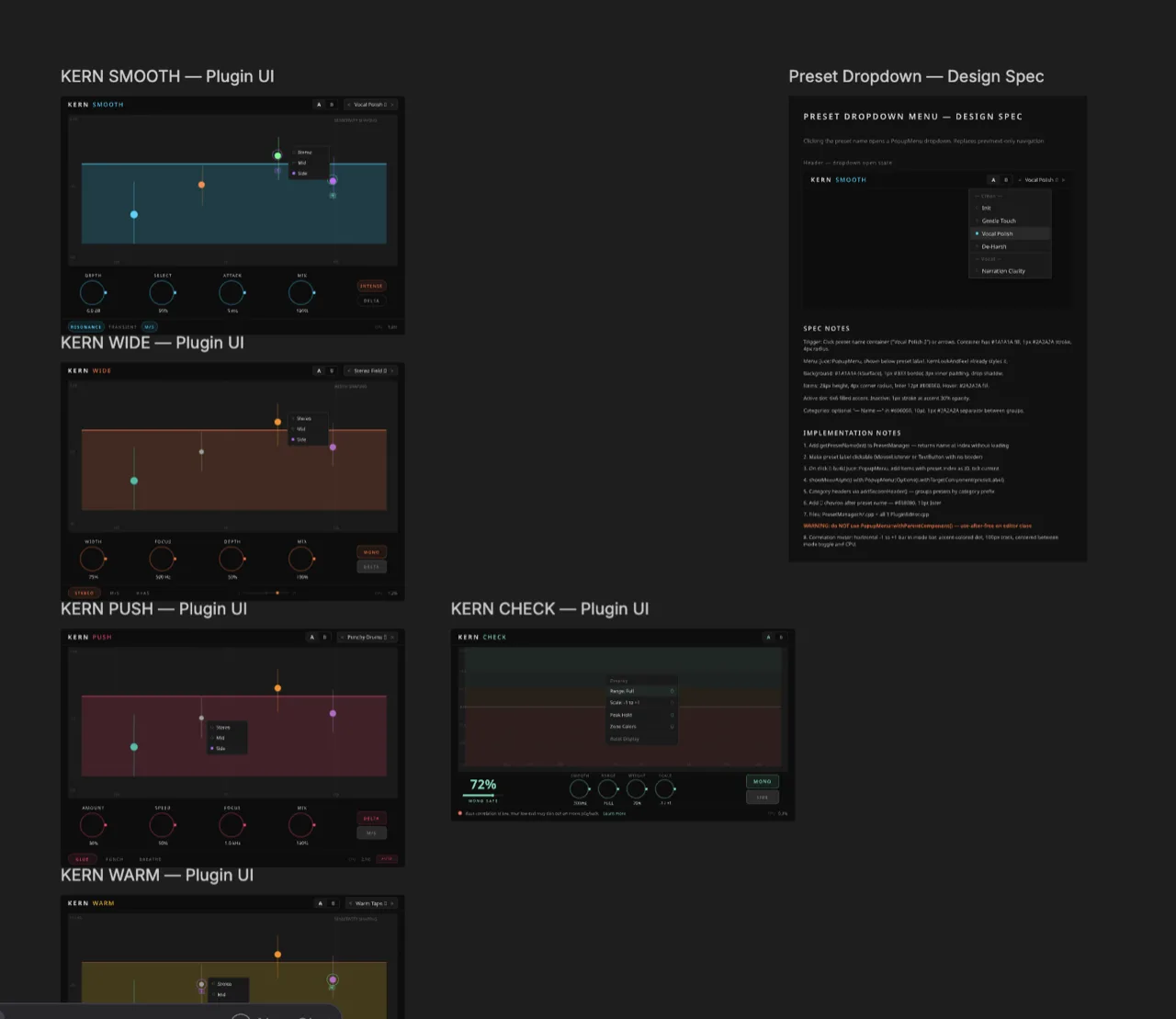
that became SMOOTH. and the process of building it, the research-first approach, the constraint of five knobs, the blind testing against established tools, felt like something worth repeating four more times.
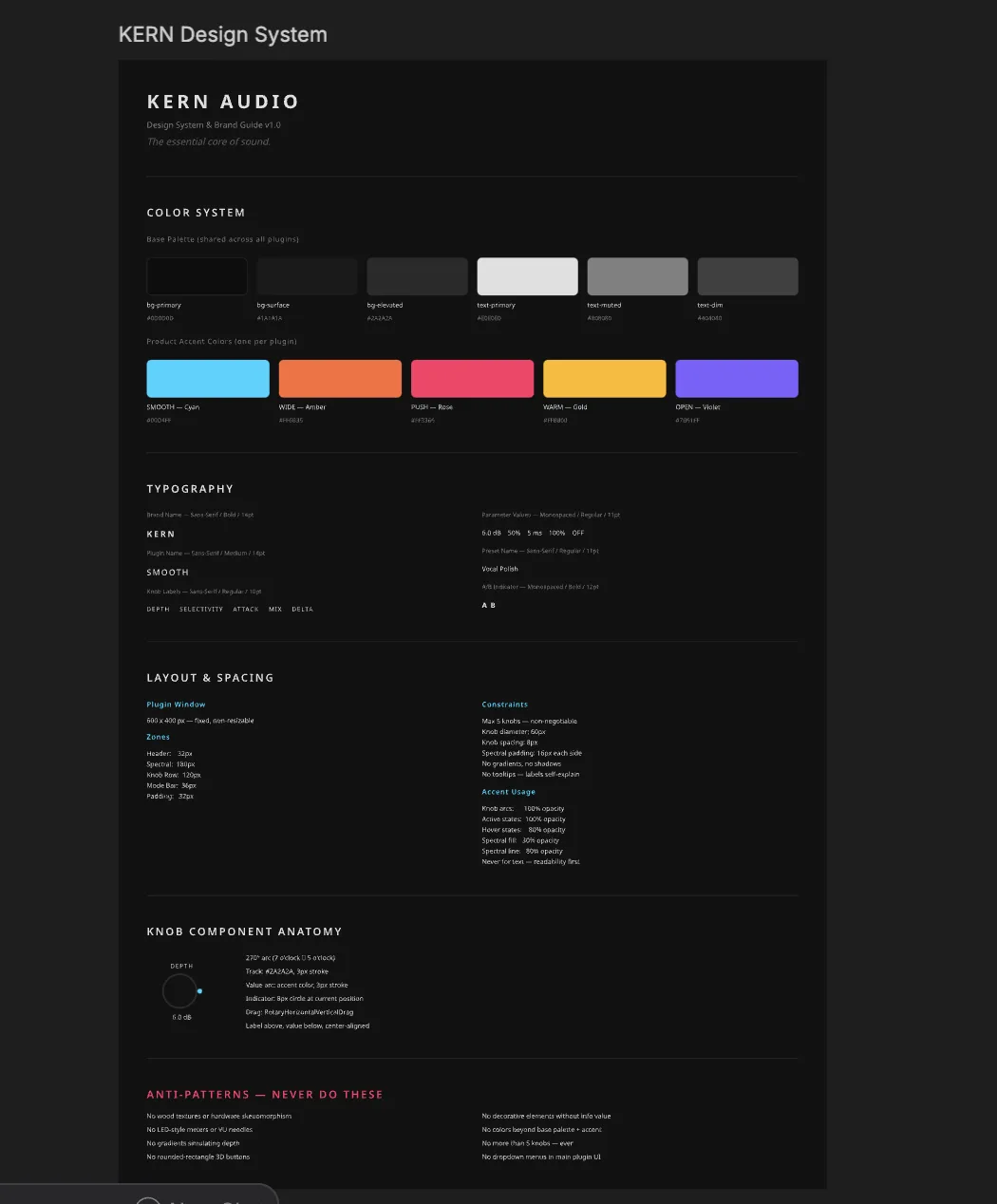
a plugin needed more than good DSP. it needed an identity. something you'd recognize instantly on a dark screen at 2am. the KERN brand grew from the same constraint-driven philosophy as the plugins: stripped back, functional, nothing decorative.
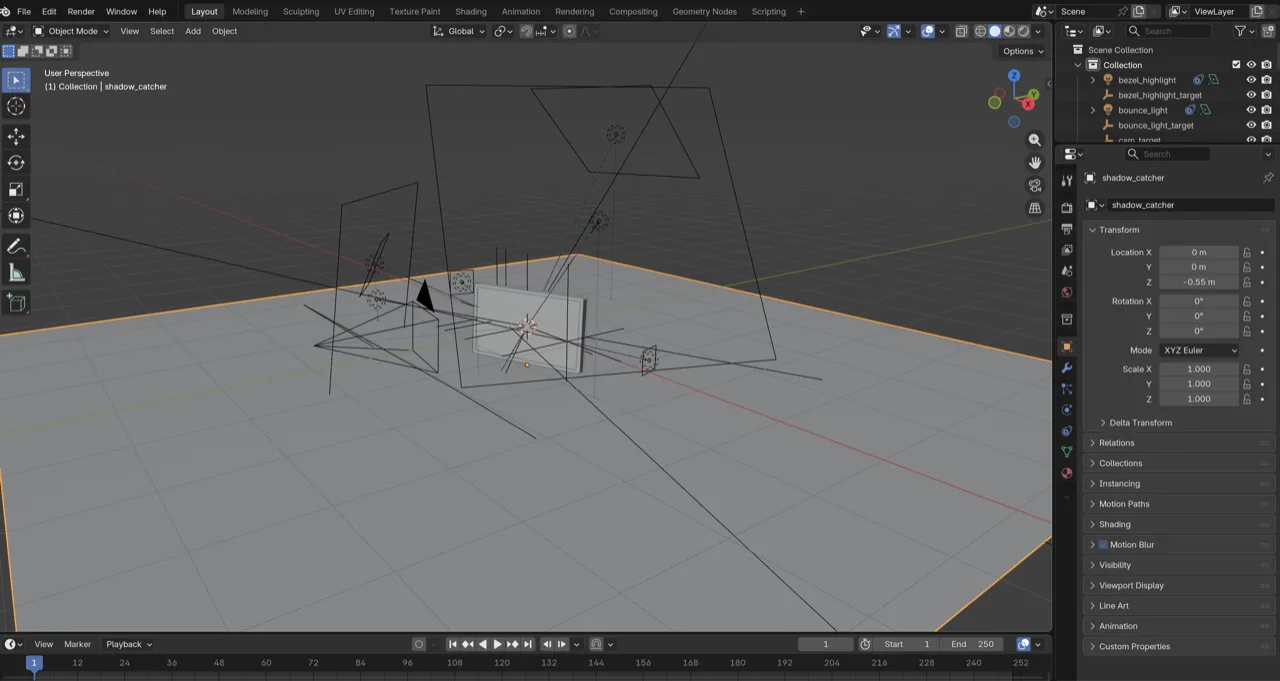
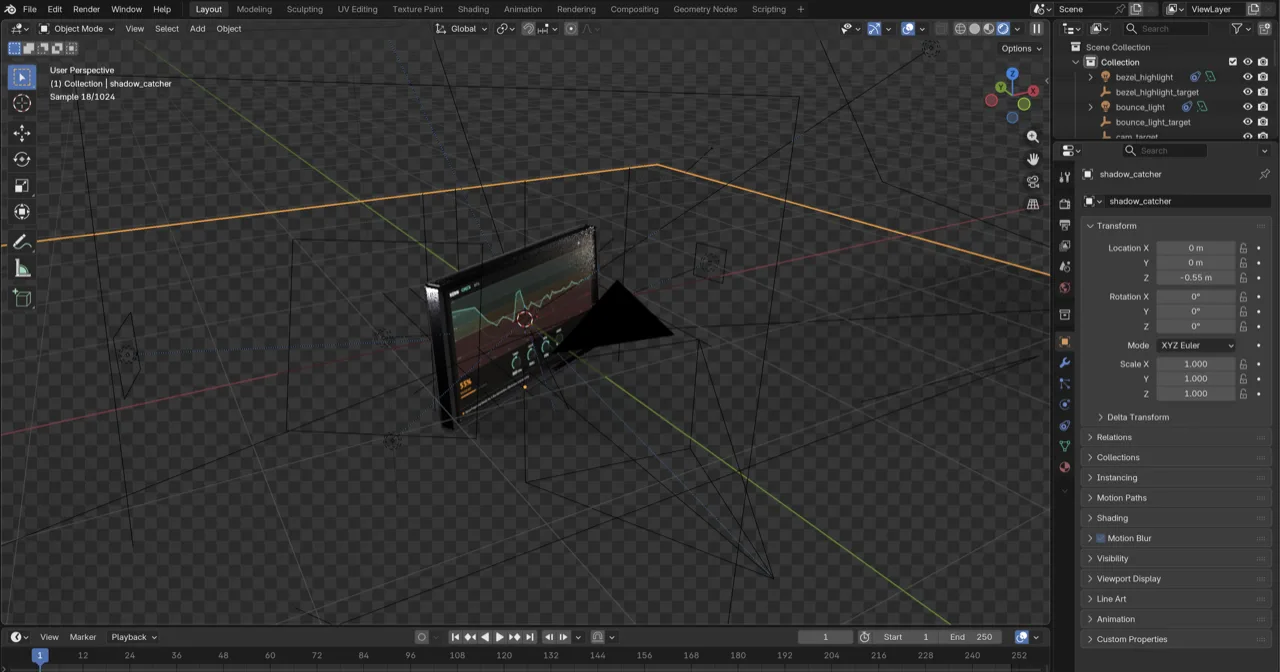
then came the 3D. every product render, every hero shot on the website, is built from scratch in Blender. no stock assets, no templates. the same obsessive approach that drives the DSP drives the visuals.
2026
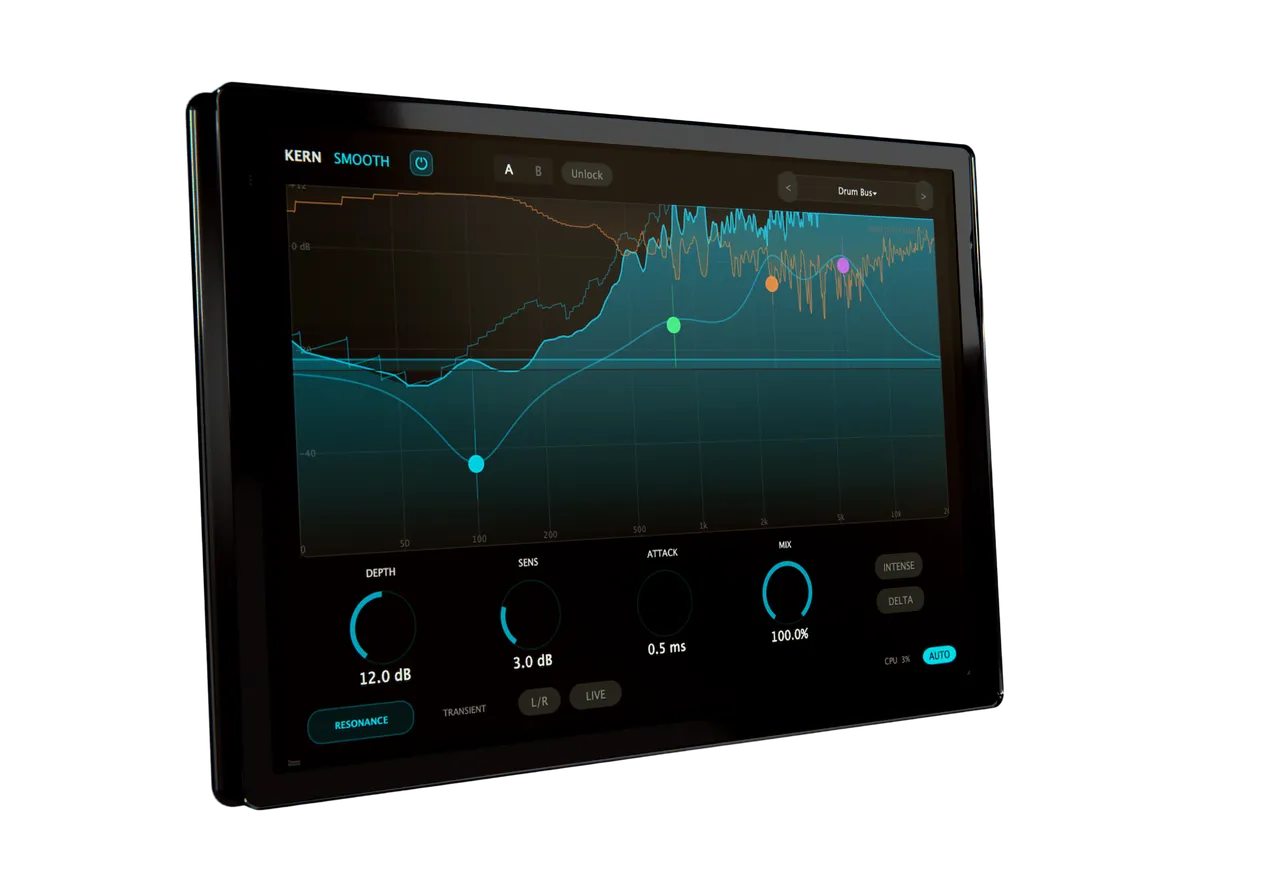
and then it shipped. SMOOTH went live. the research-first approach, the radical constraint, the obsessive testing: it all held up. four more plugins to build. WARM, WIDE, PUSH and OPEN have all shipped since. that is the series finished.
the approach
why "we" means something specific here.
KERN is a solo project. one developer, one designer, one decision-maker. but when i say "we," i mean it. none of this happens in isolation.
the community around KERN shapes what gets built and how. beta testers who find edge cases i'd never think of. producers who explain their actual workflow instead of the workflow i imagine. people on reddit and elektronauts who tell you honestly when something isn't working. that feedback is the difference between a plugin that's technically correct and one that actually helps people make music.
WARM, WIDE and PUSH were community-funded, and all three shipped. OPEN went through a beta instead. not because i needed permission to build them, but because building in public, with people who care about the outcome, makes better tools. backers didn't just pay for early access. they joined the build. they heard progress. they pushed back when something felt wrong. there is no pledge open right now. OPEN, the last of the five, went through an invite-only beta instead of a funding round, and it shipped in september 2026.
"we" is me and everyone who makes this better than i could alone.
philosophy
five constraints that shape everything.
most plugins try to do too much. they ship with 47 parameters, need a manual to understand, and eat your CPU for breakfast. the result is a toolbox full of things you open once and never touch again.
KERN plugins do one thing each. every algorithm starts with weeks of research. reading papers, studying existing implementations, understanding the psychoacoustics. then building. then blind testing against the best tools on the market. if it doesn't pass, it doesn't ship.
the four laws
one thing, done right.
every plugin solves one problem at world-class level. the moment it tries to do two things, it has failed.
no iLok. ever.
your license is yours. activate once, then it works offline. no accounts, no dongles, and if it ever cannot reach the server it keeps working anyway.
cpu is respect.
under 3% at 44.1kHz on macOS (hardware-accelerated FFT). producers run 20-30 plugins in a session. KERN should never be the bottleneck.
if it needs a tooltip, it failed.
five knobs maximum. every label immediately comprehensible. complexity belongs in the algorithm, not the interface.
Field Notes from KERN Audio.
6,000+ producers reading. weekly Tuesday email + new plugin announcements.
one mixing or DSP idea per issue. ~5 minute read. no spam, easy unsub.
check your inbox and click the link to confirm.
no spam. unsubscribe anytime. opens and clicks are counted, details.